Pizza Vegetable Boom Watercolor
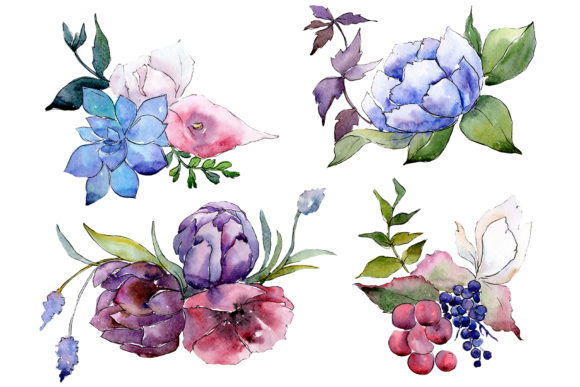
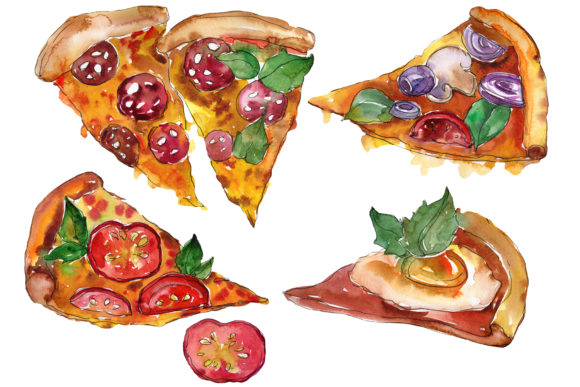
Digital assets that look like they were brushed by hand yet behave like precision tools do not come along often. Pizza Vegetable Boom Watercolor is exactly that kind of resource. It is a curated set of five watercolor illustration files built around a playful food theme, but the underlying value goes far beyond pizza and vegetables. The pack contains five PNG files with transparent backgrounds, plus patterns and frames in JPG format at 3500x3500 pixels, all delivered at 300 dpi. The elements include borders, frames, patterns, and isolated illustrations. Every image was painted by hand, then digitized to preserve the organic texture and subtle color variation that watercolor naturally produces.
For anyone who produces content, designs invitations, prepares marketing materials, or runs a small creative business, this pack solves a recurring problem: how to add visual warmth without spending hours painting or scanning physical artwork. The watercolor style carries an authenticity that flat vector graphics often lack, yet the file format and resolution allow for direct insertion into digital workflows.
What the Pack Actually Contains
Understanding what is inside matters more than the product name. The five PNG files include isolated illustrations of pizza and vegetable motifs, decorative frames, border elements, and seamless pattern components. The frames and patterns are provided as JPG files at a square 3500x3500 pixel size. That resolution is sufficient for print products up to roughly 11 by 11 inches at 300 dpi, which covers most greeting card sizes, small posters, and invitation formats. The PNG files have no background, so they layer cleanly onto any backdrop in Photoshop, Canva, Procreate, Affinity, or even Microsoft Word or PowerPoint.
Because each illustration is a separate file, you are not stuck with a single composite image. You can use the frame from one file, the border from another, and an isolated vegetable illustration from a third, all independently. That separation is what makes the pack suitable for both quick one-off projects and larger, multi-asset workflows.
Where This Fits Into a Real Workflow
Most creative projects follow a predictable cycle: concept, asset gathering, layout, revision, and output. Pizza Vegetable Boom Watercolor fits most naturally in the asset gathering and layout stages, but it can also serve as inspiration during the concept phase. Seeing the brush texture and color palette of the watercolor elements can suggest a direction for the overall design before any layout work begins.
In practice, you might start by scanning the patterns and frames to decide which visual tone suits your project. If you are designing a wedding invitation with a rustic, farm-to-table theme, the vegetable illustrations and soft border frames provide a base palette. If instead you are preparing social media posts for a pizzeria, the isolated pizza illustrations can become hero images or background textures. The same files serve both purposes because the hand-painted quality reads as elevated rather than generic.
Preparation and File Management
Before diving into design, take fifteen minutes to organize the files. Rename them with descriptive labels such as frame_rustic_border, isolated_tomato, or pattern_herbs. Store them in a dedicated folder that you can access from your design software of choice. Because the PNG files have transparent backgrounds, they are ready to drag and drop onto any canvas. The JPG patterns and frames are equally straightforward, though you will want to check the white areas for transparency needs. If you require a transparent background for a frame, the PNG versions of those elements are already prepared.
Resolution is rarely a problem with this set. At 300 dpi and 3500 pixels on the longest side, the images scale down easily for digital use. If you need larger sizes for posters or banners, you can scale up moderately in Photoshop or similar software without severe quality loss, as the watercolor texture handles interpolation better than hard-edged vector lines.
Integrating with Other Tools and Assets
Watercolor elements interact well with typography, solid color blocks, and other illustration styles. The organic edges of the painted frames create a natural contrast with clean sans-serif fonts. If your project already includes photographs, the watercolor elements can sit behind text or overlay on images to create depth. The transparent PNGs let you layer without clipping masks.
For those using Canva or similar browser-based tools, the PNG format is directly supported. Upload the isolated illustrations into your media library and treat them like stickers. The JPG patterns can be used as background layers, then adjusted for opacity to keep the texture subtle. In more advanced software like Adobe Illustrator, you can convert the watercolor elements into image brushes or texture overlays, though the files work perfectly well as standalone images without modification.
Practical Use Cases Across Projects
The versatility of this pack becomes clear when you map it against common project types.
Wedding and Event Invitations
Watercolor frames and borders are a staple of modern invitation design. The hand-painted quality avoids the sterile look of digital-only designs. You can place the frame on a card layout, add your text in the center, and use an isolated vegetable illustration as a subtle accent near the date or venue name. Because the illustrations are detailed rather than minimal, one element per card is usually enough. The pattern files work well for envelope liners or backing cards.
Greeting Cards and Stationery
A single isolated illustration combined with a short message creates a clean greeting card. The 300 dpi resolution means you can print at home on standard cardstock or send the file to a print-on-demand service. The patterns can also tile across the full card front, with text overlaid in a contrasting color. Given the food theme, thank-you cards for hosts, birthday cards for food lovers, or seasonal greetings for harvest time are natural fits.
Blog Graphics and Social Media
Blog headers, Pinterest pins, and Instagram posts benefit from the visual interest that watercolor adds. Use a pattern as a blog post background and place the title text over it. For recipe posts or food-related articles, the isolated pizza and vegetable illustrations serve as featured images or section dividers. Because the PNG files have transparent backgrounds, they swap easily between light and dark mode layouts.
Posters and Small Prints
The JPG frames and patterns at 3500 pixels are suitable for 11x11 inch prints at full quality. If you need a standard 11x17 poster, you can scale the pattern up slightly and the watercolor brushstrokes will remain convincing. Pair with a quote or menu text for a restaurant poster, or use the frame alone as a decorative print.
Digital Products and DIY Kits
If you sell digital products on Etsy or Creative Market, this pack can become the visual foundation for a set of invitations, planner stickers, or social media templates. The separate files allow you to create multiple products from one pack, each using different combinations of frames, borders, and isolated elements. The hand-painted quality is a selling point that customers recognize as premium compared to purely digital clipart.
Quality Control and Consistency
When working with hand-painted assets, consistency across files is often a concern. In this pack, the color palette and brush texture remain coherent from one file to the next. You can mix elements from different files and they will read as part of the same set. That matters when you build a brand identity or a themed invitation suite. Test this early by placing the frame and an isolated illustration on the same canvas to confirm color harmony. If you need to shift hues slightly, the 300 dpi PNG files hold up to color adjustments in image editing software.
For print projects, always do a test print on your target paper stock. Watercolor textures can appear different on matte versus glossy paper. The JPG patterns with white backgrounds may need a slight opacity reduction to avoid a stark border between the pattern and the paper edge.
Organization for Long-Term Use
Assets like these have a long shelf life if kept organized. After downloading, create a master folder with subfolders for Frames, Borders, Patterns, and Isolated Illustrations. Store the PNG and JPG files in their respective subfolders. If you use a digital asset management tool or a cloud storage system, tag the files with keywords such as watercolor, food, pizza, vegetables, frame, and pattern. This makes retrieval fast when you revisit the pack months later for a different project.
Because the files are fully editable in terms of size and color, you can also create derivative assets. Duplicate a PNG file, adjust the hue toward a specific brand color, and save it as a variant. Over time, you build a custom library from the original five files without additional cost.
Workflow Efficiency with This Pack
The main efficiency gain comes from skipping the creation phase for hand-painted textures. Instead of sourcing watercolor paper, paints, brushes, scanning equipment, and then spending hours painting and digitizing, you open a file and drop it into your layout. The hand-painted quality is already captured. For a small business owner preparing a wedding invitation suite, this might save two to three hours per design. For a blogger producing weekly social media graphics, the time saved accumulates quickly.
Another efficiency point is the elimination of background removal. The PNG files are ready to layer, so you avoid the tedious step of cutting out subjects from a white or colored background. The JPG patterns and frames include backgrounds, but they are designed to be used as full-coverage layers where the background is part of the intended design.
Practical Observations for First-Time Use
Start with one element rather than combining too many at once. The watercolor detail is rich, so a single frame or isolated illustration can carry a design. Add a second element only if the layout feels sparse. The patterns work well as full backgrounds but can overwhelm a small card if paired with a busy frame. Test combinations on a single canvas before committing to production.
If you are printing, verify that your printer handles the watercolor texture accurately. Some printers crush subtle highlights, especially in the lighter areas of the brushstrokes. A test print on your usual paper stock will tell you whether you need to increase contrast or brightness slightly in your editing software.
For digital use, resize the images down rather than up. The 3500 pixel JPG files are large enough for most screens, and scaling down preserves sharpness. If you need a very small icon-sized version, scale down in your software rather than using the full-resolution file, which can slow down loading times on websites or in presentation software.
Why This Asset Fits a Process-Oriented Workflow
The pizza vegetable boom watercolor theme might sound niche, but in practice, the assets are broadly applicable because food motifs carry universal appeal. Weddings, birthdays, restaurant marketing, food blogs, and seasonal events all intersect with food imagery. The hand-painted style raises the perceived value of whatever it touches. For a creator who values efficiency and quality, having a set of ready-made, coordinated, high-resolution watercolor elements means less time painting and more time finishing projects.
The five-file structure is also deliberate. It is small enough to browse quickly, large enough to offer flexibility. You are not sifting through hundreds of mediocre files to find usable ones. Every file in this pack is detailed and production-ready. That kind of curation respects the user's time and aligns with a workflow that prioritizes execution over asset management overhead.
Integrating Pizza Vegetable Boom Watercolor into a project is straightforward. Identify the visual need, select the appropriate file, layer it into the design, adjust sizing or color as needed, and output. The hand-painted originals ensure that even quick projects look deliberate. That combination of speed and quality is rare in digital asset packs.