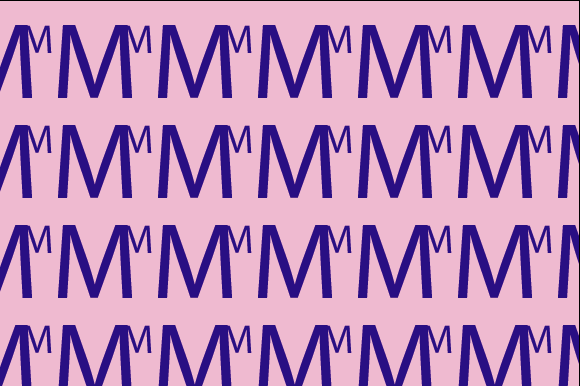
Unique Seamless Pattern: A Practical Asset for Creative Workflows
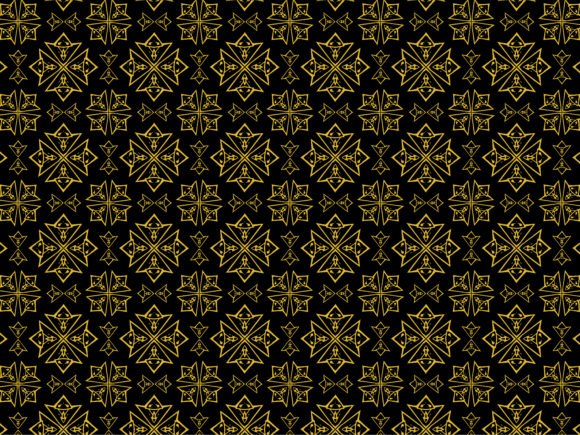
A well-crafted seamless pattern is more than a decorative element—it is a functional asset that can streamline your design process, maintain visual consistency across projects, and save you hours of repetitive work. When you work with a unique seamless pattern built from simple shapes and smooth transitions, you gain a tool that integrates cleanly into both digital and print workflows. Whether you are developing branding assets, preparing product mockups, or designing environments for a client, the right pattern file can serve as a foundation that supports everything that follows.
What makes a seamless pattern truly useful is its repeatability. The edges align perfectly, the motifs flow without interruption, and the overall composition remains balanced across any scale. When the design is based on simple geometric forms, the result is versatile enough to work in contexts ranging from subtle background textures to bold statement surfaces. The smoothness of the pattern reduces visual noise, making it easier to layer text, icons, or other content on top without sacrificing readability. For professionals who need reliable, repeatable assets, this kind of pattern is a practical choice.
Where a Unique Seamless Pattern Fits in Your Process
Every creative project involves a series of decisions about assets. A unique seamless pattern can enter your workflow at several stages, depending on your needs. If you are in the early planning phase, having a neutral, smooth pattern on hand can help you establish a visual direction before committing to more complex graphics. You can use it as a placeholder that sets the tone for color palettes and layout structure. Later, when the design is finalized, the same pattern can become a permanent element of the final deliverable.
During the production phase, a seamless pattern saves time that would otherwise be spent manually aligning repeated elements. Because the file is provided in ÉP format, you have a master file that preserves layers, resolution, and editability. This means you can adjust the scale, rotation, or color of the pattern without degrading quality. If you are working with a team, the master file ensures everyone uses the same base asset, reducing inconsistencies across different outputs. For example, a marketer preparing social media templates can scale the pattern for mobile screens, while a print designer uses the same file for large-format posters—both get consistent results from one source.
After the project is complete, the pattern remains a reusable resource. You can archive it for future work, repurpose it for different clients, or modify it to fit new brand guidelines. Over time, building a library of such patterns becomes an efficiency multiplier. Each project requires less custom asset creation because you already have tested, high-quality foundations to draw from.
Practical Implementation and Workflow Integration
Integrating a unique seamless pattern into your existing tools and methods is straightforward if you understand a few key factors. The ÉP format mentioned in the file deliverable is significant because it typically refers to a layered, editable master file. When you open this file in your preferred design software, you can examine how the pattern was constructed. This transparency allows you to learn from the structure, make targeted edits, or combine it with other elements without breaking the seamless repeat.
Here are practical considerations for using such a pattern effectively:
Preparation and Setup
- Before importing the pattern into your project, check the file resolution and color mode. If you are designing for print, ensure the pattern is set to CMYK at a resolution appropriate for your output size. For digital use, RGB is typically sufficient.
- Examine the pattern swatch in your software. Most design applications allow you to define a pattern swatch from an existing tile. Once loaded, you can apply it to fills, strokes, or masks. This method preserves the seamless nature of the pattern while giving you control over scale and rotation.
- If the pattern contains multiple layers, consider which layers are necessary for your current use case. You might disable decorative elements if the pattern is meant to be a subtle background, or you might isolate specific shapes for use as icons or accent graphics.
Compatibility and Usability
A pattern built from simple shapes tends to be highly compatible across different platforms. Because the geometry is clean, the file size remains manageable, and rendering is fast even on less powerful devices. This is particularly useful if you are collaborating with remote team members who use different hardware or software versions. The same pattern file can be opened in professional design suites, web-based editors, and even some mobile applications without losing the integrity of the repeat.
For web designers and developers, a seamless pattern can be exported as a small tile image and referenced in CSS. Smooth, simple patterns compress well, meaning faster page load times compared to complex photographic textures. This is a direct benefit for performance-conscious projects where every kilobyte matters.
Organization and Consistency
To make the most of a unique seamless pattern over the long term, treat it as a component in a larger asset management system. Name the file clearly and include metadata such as scale, dominant colors, and intended use case. If you have multiple pattern variations, organize them in a dedicated library folder. When you start a new project, you can quickly browse your library and select a pattern that aligns with the project’s requirements.
Consistency across deliverables improves when the same pattern is used throughout a project. For instance, if you are designing a brand identity, you can use the pattern on business cards, website headers, packaging mockups, and social media graphics. The repeated visual thread reinforces brand recognition and creates a cohesive look without requiring custom artwork for each surface.
Factors That Influence Long-Term Value
Not all seamless patterns offer the same long-term utility. The patterns that deliver the most value share several characteristics:
- Scalability: The pattern should remain visually coherent whether it is scaled down for an app icon or blown up for a trade show banner. Simple shapes and smooth transitions tend to scale better than intricate, organic forms.
- Editability: A master file in ÉP format gives you the ability to change colors, adjust spacing, or swap out individual elements. This flexibility means the pattern can evolve with your brand or project needs without requiring a full redesign.
- Neutrality with character: The best patterns avoid being so generic that they feel soulless, yet they are not so distinctive that they clash with other design elements. A balance of subtlety and personality allows the pattern to work in many contexts while still contributing a unique visual signature.
- Print-readiness: If your workflow includes print production, the pattern must maintain its seamless edge at the required print resolution. Testing the pattern on a small sample before committing to a large print run is a prudent step that can prevent wasted materials.
Quality control is another area where a well-constructed pattern shines. Because the design is smooth and the repeat is mathematically precise, you are less likely to encounter visible seams, color shifts, or alignment errors. This reduces the time spent on corrections and rework. For productivity-minded professionals, this reliability is a significant advantage.
Practical Use Cases Across Different Roles
The versatility of a unique seamless pattern with simple shapes means it adapts to many professional contexts. Here are examples of how different users might integrate it into their daily work:
- Graphic designers can use the pattern as a background for portfolio pieces, client presentations, or social media templates. The smooth design ensures that text and logos remain legible.
- Web developers and UI designers can tile the pattern as a subtle page background or as a decorative element in hero sections. The small file size supports fast loading.
- Product creators and small business owners can apply the pattern to product packaging, labels, or promotional materials. The repeatable nature means they can cover any surface area without additional design work.
- Educators and content creators can use the pattern to create visually consistent slides, handouts, or video backgrounds. A unified visual style helps learners focus on content rather than distracting variations.
- Freelancers and entrepreneurs who manage their own branding can treat the pattern as a signature element across their website, business cards, and email templates, building recognition over time.
Building a Workflow Around the Pattern
To integrate a unique seamless pattern smoothly into your routine, consider these process-oriented steps:
- Load the pattern into your design software. Create a swatch from the ÉP master file or import the tile directly. Test its behavior at different scales.
- Define usage guidelines. Decide where the pattern will appear—backgrounds, accents, masks—and stick to those decisions to maintain consistency.
- Create template files. Set up document templates that already include the pattern as a background layer. This reduces repetitive setup work for future projects.
- Document your pattern library. Keep a simple spreadsheet or note file with details about each pattern’s dimensions, color palette, and typical use cases. This documentation pays off when you revisit a pattern months or years later.
- Test across outputs. Before using the pattern in a final deliverable, test it on a small scale in the actual medium—whether that is a screen mockup, a print sample, or a web preview. Verify that the seam remains invisible and the colors render as expected.
Long-Term Maintenance and Adaptation
As your projects evolve, your pattern library should evolve with them. A pattern that worked well for a corporate brand might need color adjustments for a different client. Thanks to the ÉP master file, those adjustments are straightforward. You can shift hues, change contrast, or modify the density of the repeat without rebuilding the pattern from scratch. This adaptability extends the useful life of the asset.
Another long-term consideration is format versioning. If you upgrade your design software, test the pattern file in the new environment to ensure compatibility. Because the pattern is built from simple shapes, it is less likely to break during format migrations than patterns that rely on complex effects or third-party plugins. This robustness is a practical advantage for anyone who updates their tools regularly.
Finally, consider sharing or collaborating around your pattern library. If you work in a team, a shared drive containing master pattern files ensures everyone accesses the same high-quality assets. Team members can request modifications or suggest new patterns based on project needs, turning the library into a living resource that grows in value over time.
Why a Unique Seamless Pattern Belongs in Your Toolkit
A unique seamless pattern with smooth, simple shapes is not a gimmick—it is a working asset that supports efficiency, consistency, and creative flexibility. Whether you are preparing a client presentation, designing a product line, or building a personal brand, this kind of pattern reduces the friction between idea and execution. The ÉP format master file gives you control and longevity, while the clean repeat saves you from the tedious work of manual alignment.
When you purchase such a file, you are not just buying a decorative image. You are acquiring a building block that fits into your existing process, interacts well with your tools, and remains useful across multiple projects. Integrate it thoughtfully, maintain it carefully, and it will serve your work for years to come. Thank you for considering this resource, and I hope it becomes a reliable part of your creative practice.
Regards,
Suprijal